The fastest source of information about Asseco — news, announcements and expert commentary in one place. We invite the media to use the materials and to contact us.
from sales of proprietary IT products and services
PLN 1.1 billion (+119% YoY)
record-high net profit
PLN 10.8 billion (+19% YoY)
backlog for 2026 in proprietary software and services
LATEST
News
Stay up to date — the most important news about Asseco, our customers and projects.
Thank you! Your submission has been received!
Oops! Something went wrong while submitting the form.
AI, które realnie wspiera administrację i zwiększa skuteczność kontroli o 50%
04.05.2026
2026
AI
Sztuczna inteligencja w administracji publicznej przestaje być koncepcją. Pokazujemy wdrożenie, które pomaga szybciej wykrywać nieprawidłowości, wzmacnia decyzje ekspertów i działa w pełni pod kontrolą organizacji - bez oddawania danych na zewnątrz
Jak sztuczna inteligencja wspiera administrację publiczną: sukces wdrożenia S AI
W tym materiale pokazujemy, jak w praktyce działa AI w administracji publicznej - na przykładzie wdrożenia systemu S AI wspierającego typowanie spraw do kontroli.
Przeczytaj i dowiedz się:
jak połączyć modele predykcyjne z wiedzą ekspercką, zamiast je zastępować
w jaki sposób AI zwiększa skuteczność działań operacyjnych (nawet o 50%)
jak zaprojektować rozwiązanie, które działa w całości w infrastrukturze klienta i zapewnia pełną kontrolę nad danymi
dlaczego transparentność i audytowalność są kluczowe w sektorze publicznym
jak wygląda architektura systemu gotowego na dużą skalę i realne procesy
To przykład AI, która nie jest „czarną skrzynką”, tylko realnym narzędziem wspierającym decyzje bez utraty kontroli, bezpieczeństwa i odpowiedzialności.
Od digitalizacji do decyzji: AI, która realnie wspiera administrację
Transformacja cyfrowa sektora publicznego weszła dziś w etap, w którym nie wystarcza już sama digitalizacja dokumentów czy automatyzacja prostych czynności. Coraz większe znaczenie mają rozwiązania, które wspierają pracowników merytorycznych w podejmowaniu trafniejszych, szybszych i lepiej uzasadnionych decyzji. Właśnie w tym nurcie mieści się wdrożenie S AI - rozwiązania opartego na analityce predykcyjnej i regułach biznesowych, zaprojektowanego do wspierania procesów kontroli i wykrywania nadużyć w masowo składanych wnioskach obsługiwanych przez dużą instytucję polskiej administracji publicznej.
To przykład projektu, w którym sztuczna inteligencja nie zastępuje człowieka, lecz wzmacnia jego skuteczność. System wspiera użytkowników operacyjnych w identyfikowaniu spraw o najwyższym prawdopodobieństwie nieprawidłowości, pozostawiając ocenę, interpretację i decyzję po stronie ekspertów biznesowych. Równie ważne jest to, że rozwiązanie zostało zaprojektowane z myślą o wysokich wymaganiach bezpieczeństwa i kontroli nad danymi - od początku jako środowisko działające w infrastrukturze klienta, bez konieczności przekazywania danych do zewnętrznych usług.
Od potrzeby biznesowej do wdrożenia produkcyjnego
Projekt powstał jako odpowiedź na bardzo konkretną potrzebę organizacyjną:
jak skuteczniej wspierać proces typowania spraw do kontroli w środowisku, w którym do instytucji trafiają ogromne wolumeny wniosków, a skuteczność działania zależy od szybkiej identyfikacji przypadków odbiegających od normy.
Od początku było jasne, że kluczem do sukcesu nie będzie sama technologia, lecz właściwe połączenie wiedzy domenowej, danych historycznych, kompetencji analitycznych i architektury gotowej do działania na dużą skalę. W efekcie powstało rozwiązanie, które po przejściu przez etap analiz, budowy modeli, testów i integracji zostało uruchomione produkcyjnie jako element wspierający pracę operacyjną dużej organizacji publicznej.
AI wspierająca procesy kontroli w środowisku dużej skali
S AI działa jako rozwiązanie wspierające klasyfikację nowych spraw napływających do organizacji. System przetwarza dane wejściowe, wylicza zestaw cech opisujących dany przypadek, określa prawdopodobieństwo wystąpienia nieprawidłowości przy użyciu modelu predykcyjnego, a następnie przekazuje wynik do procesu operacyjnego, w którym eksperci podejmują dalsze działania. Projekt został zrealizowany w architekturze z wydzielonym komponentem do liczenia cech, odrębnym hostem modeli uczenia maszynowego i warstwą logiki biznesowej sterującą przebiegiem procesu.
To ważne rozróżnienie. S AI nie podejmuje decyzji administracyjnych i nie automatyzuje rozstrzygnięć. Jego zadaniem jest dostarczenie uporządkowanej, opartej na danych rekomendacji, która pomaga skoncentrować uwagę na sprawach najbardziej wymagających analizy.
W praktyce oznacza to zwiększenie efektywności działania tam, gdzie skala wpływających wniosków uniemożliwia ręczną, jednakowo pogłębioną ocenę wszystkich przypadków.
Bezpieczeństwo danych i pełna kontrola nad środowiskiem
Jednym z najmocniejszych atutów wdrożenia S AI jest model infrastrukturalny. Rozwiązanie zostało zaprojektowane tak, aby silniki predykcyjne były hostowane w całości on-premises, w środowisku klienta. Dotyczy to nie tylko samego wykonywania predykcji, ale również procesów związanych z przygotowaniem nowych zbiorów treningowych, uruchamianiem treningu modeli, ich walidacją, wersjonowaniem oraz publikacją do użycia produkcyjnego.
Z perspektywy instytucji publicznej ma to znaczenie fundamentalne. Dane pozostają pod pełną kontrolą organizacji, a cały cykl życia modelu - od danych treningowych po scoring produkcyjny - może być realizowany w ramach własnej infrastruktury i własnych procedur bezpieczeństwa. Taki model ogranicza zależność od zewnętrznych usług, ułatwia spełnienie wymogów organizacyjnych i audytowych oraz wzmacnia zaufanie do samego rozwiązania. Źródła projektowe pokazują również, że repozytorium modeli traktowane jest jako zasób krytyczny, ponieważ od jego integralności zależy możliwość odtworzenia historycznego procesu typowania i zachowania pełnej audytowalności.
Połączenie modeli predykcyjnych i wiedzy eksperckiej
Jednym z filarów rozwiązania jest połączenie modeli uczenia maszynowego z warstwą reguł biznesowych. Model statystyczny odpowiada za identyfikowanie zależności w danych i szacowanie prawdopodobieństwa nieprawidłowości. Z kolei reguły biznesowe pozwalają uwzględniać ekspercką wiedzę organizacji, specyfikę procesu oraz wymogi operacyjne. Warstwa reguł jest jawna i sterowalna, co wzmacnia kontrolę biznesową nad sposobem działania całego mechanizmu.
Takie podejście daje instytucji znacznie większą kontrolę nad sposobem działania systemu. Pozwala również elastycznie rozwijać rozwiązanie wraz ze zmianami procesowymi, organizacyjnymi i regulacyjnymi.
Nowoczesna architektura dla odpowiedzialnej AI
Rozwiązanie zostało osadzone w nowoczesnej architekturze mikroserwisowej, co pozwala na skalowalność, modularność oraz łatwiejsze utrzymanie i rozwój systemu. W praktyce oznacza to możliwość niezależnego rozwijania poszczególnych komponentów - od wyliczania cech, przez hostowanie modeli predykcyjnych, po integrację z systemami operacyjnymi klienta. Co istotne, ten model architektoniczny został połączony z pełnym osadzeniem środowiska predykcyjnego i treningowego po stronie klienta, dzięki czemu skalowalność nie odbywa się kosztem bezpieczeństwa danych ani kontroli nad infrastrukturą.
W projektach realizowanych dla administracji publicznej architektura ma znaczenie nie tylko techniczne, ale również organizacyjne. System musi być stabilny, przewidywalny, bezpieczny i gotowy do działania w środowisku o dużej liczbie spraw, użytkowników i powiązań z innymi aplikacjami. S AI został zaprojektowany właśnie z myślą o takich wymaganiach.
Transparentność zamiast „czarnej skrzynki”
Jednym z najważniejszych założeń wdrożenia była objaśnialność działania modeli. W praktyce oznacza to możliwość pokazania, jakie czynniki miały wpływ na wynik predykcji dla konkretnej sprawy. To aspekt kluczowy nie tylko z punktu widzenia zaufania użytkowników, ale również audytowalności, jakości i odpowiedzialnego stosowania AI.
W sektorze publicznym szczególnie istotne jest, aby technologia nie była traktowana jako nieprzejrzysta „czarna skrzynka”. Dlatego w S AI transparentność została potraktowana jako integralna część rozwiązania, a nie jako dodatkowa funkcjonalność.
Człowiek pozostaje w centrum
Wdrożenie S AI zostało zaprojektowane zgodnie z zasadą human-in-the-loop. Oznacza to, że system wspiera pracowników w identyfikacji spraw potencjalnie obarczonych wyższym ryzykiem nadużyć, ale nie zastępuje ich w ocenie końcowej. To człowiek odpowiada za analizę przypadku, interpretację kontekstu oraz dalsze działania operacyjne.
Wymierna wartość biznesowa i organizacyjna
Sukces wdrożenia S AI wynika nie tylko z zastosowanej technologii, ale przede wszystkim z tego, że rozwiązanie przyniosło realną wartość biznesową. W środowisku obsługującym bardzo duże wolumeny spraw nawet niewielka poprawa trafności typowania może przełożyć się na zauważalny wzrost efektywności całego procesu kontrolnego.
W przypadku S AI, wzrost skuteczności podejmowanych działań kontrolnych w odpowiedzi na wskazówki z systemu wyniósł około 50% względem historycznego baseline.
Wdrożenie pozwoliło:
lepiej ukierunkować działania operacyjne,
zwiększyć skuteczność identyfikacji spraw wymagających uwagi
oraz zbudować fundament pod dalszy rozwój analityki predykcyjnej w organizacji.
Równie istotne były efekty długofalowe:
uporządkowanie wiedzy o danych,
przygotowanie zestawów cech możliwych do wykorzystania także w innych obszarach
oraz zbudowanie kompetencji organizacyjnych w zakresie praktycznego stosowania AI.
AI dla administracji publicznej: praktyka zamiast deklaracji
W debacie o sztucznej inteligencji w sektorze publicznym często mówi się o potencjale, możliwościach i kierunkach rozwoju. Znacznie cenniejsze są jednak przykłady wdrożeń, które pokazują, jak AI działa w praktyce - w konkretnym procesie, przy realnej skali danych, z udziałem użytkowników biznesowych i z zachowaniem pełnej odpowiedzialności za sposób działania systemu.
S AI jest właśnie takim przykładem. Pokazuje, że nowoczesna analityka predykcyjna może skutecznie wspierać administrację publiczną w procesach kontroli i wykrywania nadużyć, zwiększając efektywność działania bez rezygnacji z transparentności, nadzoru, bezpieczeństwa danych i pełnej kontroli nad środowiskiem technologicznym. To AI wdrażana odpowiedzialnie: skalowalna, audytowalna i osadzona w infrastrukturze klienta.
W Asseco wierzymy, że przyszłość sztucznej inteligencji w administracji publicznej należy do rozwiązań, które łączą skuteczność modeli, wiedzę ekspercką, odpowiedzialne zarządzanie danymi i pełną rozliczalność działania. S AI pokazuje, że taka przyszłość nie jest już koncepcją - jest praktyką.
Adam Góral Honoured with Special Award at the FTB Congress
09.04.2026
2026
Press office
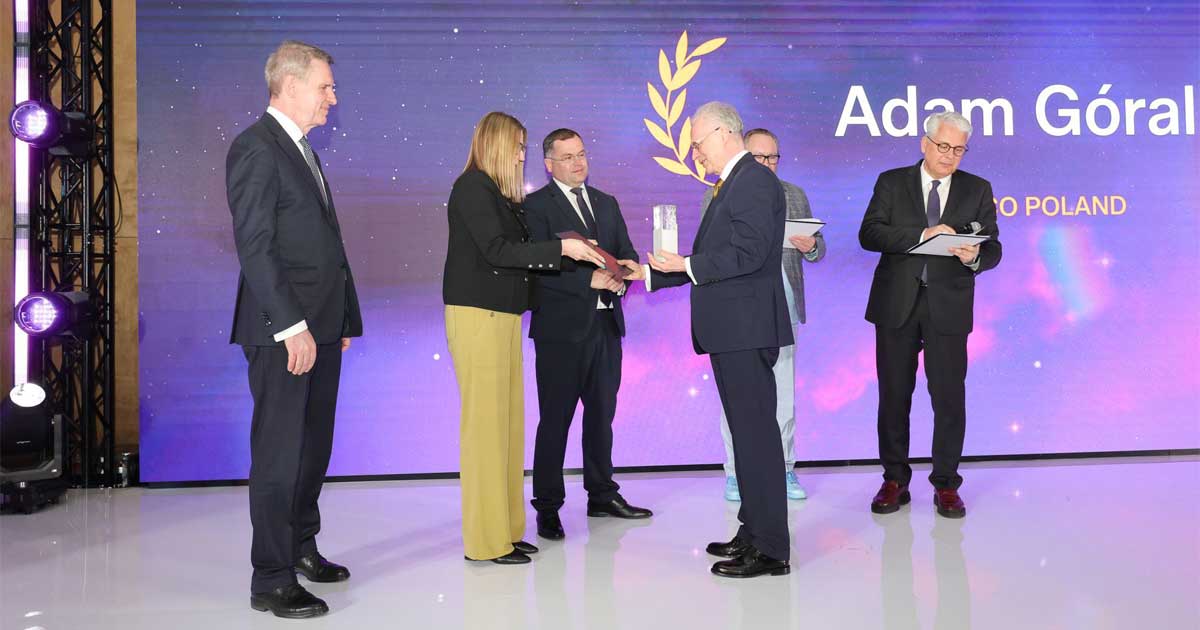
Adam Góral, President of the Management Board of Asseco Poland, has been honoured with a Special Award at the FTB Congress – Forum of Banking Technology.
Adam Góral, President of the Management Board of Asseco Poland, has been honoured with a Special Award at the FTB Congress – Forum of Banking Technology. The distinction recognises his long-standing contribution to the development of technologies for the banking sector, as well as his consistent efforts in strengthening Asseco’s position as a partner supporting the digital transformation of financial institutions.
Under Adam Góral’s leadership, Asseco has for years delivered solutions essential to the functioning of modern banking – including transaction systems, digital channels, and tools supporting security, regulatory compliance, and operational efficiency. These activities contribute to building a stable and innovative financial ecosystem.
The award highlights the importance of combining advanced technologies with a deep understanding of business needs and customer expectations, which form the foundation of modern banking.
Growth built on strong foundations – Asseco summarizes 2025
31.03.2026
2026
Press office
In 2025, the Asseco Group generated PLN 16.8 billion (EUR 4.0 billion) in sales revenues, of which PLN 12.6 billion (EUR 3.0 billion) came from sales of its proprietary IT products and services. Operating profit was 11% higher than in 2024 and amounted to PLN 1.6 billion (EUR 381 million).
In 2025, the Asseco Group generated PLN 16.8 billion (EUR 4.0 billion) in sales revenues, of which PLN 12.6 billion (EUR 3.0 billion) came from sales of its proprietary IT products and services. Operating profit was 11% higher than in 2024 and amounted to PLN 1.6 billion (EUR 381 million). Net profit attributable to shareholders of the parent company, a record high in the company’s history, rose by 119% to PLN 1.1 billion (EUR 269 million). Asseco continued to expand its operations in international markets, strengthening its position through acquisitions, among others. Last year, the Group expanded to include 13 new companies.
Asseco’s results remain strongly geographically diversified. In 2025, the Asseco Poland Segment increased its sales revenues by 12% year-over-year, reaching PLN 2.3 billion (EUR 542 million). Operations in this area focused on delivering advanced software and services supporting the digitalization of the financial sector, implementing key projects for public administration, and strengthening cooperation with clients in the energy and healthcare sectors.
Foreign markets, represented by the Formula Systems Segment and the Asseco International Segment, accounted for a combined 86% of the Group’s revenues. Sales in the Asseco International Segment amounted to PLN 4.6 billion (EUR 1.1 billion), representing a 12% increase compared to 2024. In this segment, revenue growth was recorded at Asseco Central Europe in the Czech Republic and Slovakia, as well as from ERP solutions within the Asseco Enterprise Solutions Group. Sales also increased at Asseco South Eastern Europe. The Formula Systems Segment recorded PLN 9.8 billion in revenues (EUR 2.3 billion), a 12% increase year-over-year. This result was driven, among other factors, by increased sales and the strengthening of the market position of Matrix IT and Magic Software.
In 2025, the sale of a majority stake in Sapiens was finalized, resulting in the Asseco Group’s shareholding – through Formula Systems – decreasing from 43.5% to 18.7% in the new ownership structure, which signifies a loss of control over the company and a change in its accounting treatment in the financial statements. The transaction generated PLN 499 million (EUR 118 million) in net profit attributable to the parent company’s shareholders and retaining the minority stake allows for continued exposure to Sapiens’ future growth.
2025 was record-breaking for us – we generated the highest net profit in our 35-year history, exceeding PLN 1.1 billion (EUR 269 million). This is a significant achievement, especially given the challenging and uncertain environment in which we operate. We are consistently implementing our adopted strategy, which remains grounded in the creation and development of top-quality proprietary software for institutions and enterprises operating in key sectors of the economy. It is precisely this model – based on proprietary products, domain expertise, and long-term customer relationships – that defines Asseco’s strength and resilience. We base the Asseco Group’s growth on both organic expansion and acquisitions. We are interested in companies with experienced teams that wish to grow within our Federation model or through integration with Asseco. In 2025, we completed 13 acquisitions. We are paying particular attention to companies in the cybersecurity sector and those offering AI-based solutions, but we remain open to entities that strengthen our capabilities in key sectors, said Adam Góral, President of the Management Board of Asseco Poland.
Asseco’s consolidated order backlog for 2026, in the area of proprietary software and services, currently stands at over PLN 10.8 billion (EUR 2.5 billion) and is 19% higher than in the corresponding period in the previous year. At fixed exchange rates, the increase amounts to 13%.
In 2026, we are focusing on further strengthening of Asseco’s position as a leader in digitization across key economic sectors – banking, energy, telecommunications, healthcare, and public administration – as well as on growth in product segments such as ERP systems, payments, and trust services. Our business remains grounded in our proprietary products and technological expertise, which we are systematically expanding. Artificial intelligence is one of the natural directions for building Asseco’s long-term value. We are implementing it both in our products and throughout the entire software development cycle, which enhances our efficiency and the quality of the solutions we deliver. We take a pragmatic approach to AI – as a technology that is meant to genuinely support business and create value for customers, added Adam Góral.
Asseco consistently builds value for its shareholders and shares its profits with them. Since its IPO on the Warsaw Stock Exchange (WSE), the Company has paid out over PLN 3.8 billion in dividends to its shareholders. This year, the Company’s Management Board recommended to the General Meeting the payment of PLN 1 051 million (EUR 248 million) in a dividend for 2025, which amounts to PLN 13.05 (EUR 3.08) per dividend-eligible share.
Asseco Honoured at the “Leaders of the Energy World” Awards
31.03.2026
2026
Press office
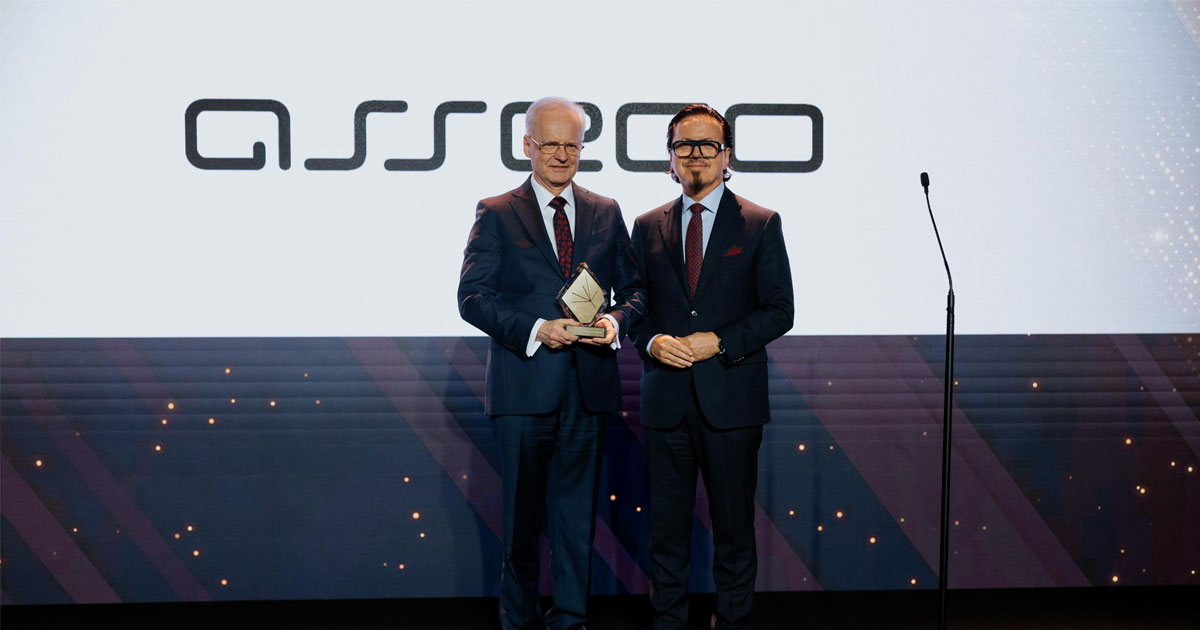
Asseco Poland has been honoured with a Special Award in the prestigious “Leaders of the Energy World” competition.
Asseco Poland has been honoured with a Special Award in the prestigious “Leaders of the Energy World” competition. The statuette was received during the official gala by Adam Góral, President of the Management Board of Asseco Poland.
The distinction confirms the company’s long-standing commitment to the development of the domestic energy sector and highlights its significant role in building and maintaining modern digital infrastructure for the industry.
In its justification, the jury emphasised that for 35 years Asseco – as a Polish IT company – has been co-creating the digital backbone of the national energy sector. From billing and metering, through customer service systems, to data distribution and exchange, Asseco’s solutions are now an integral and important part of the country’s energy system. This scale is the result of consistency and responsibility, built on competencies developed in Poland and a potential confirmed by the successful delivery of the largest energy projects in the country. Over the years, the company has contributed to system stability and created a lasting foundation for the digital sovereignty of the Polish energy market, based on domestic knowledge and experience.
Asseco Poland Wins “Bulls and Bears” Award by Parkiet
20.03.2026
2026
Press office
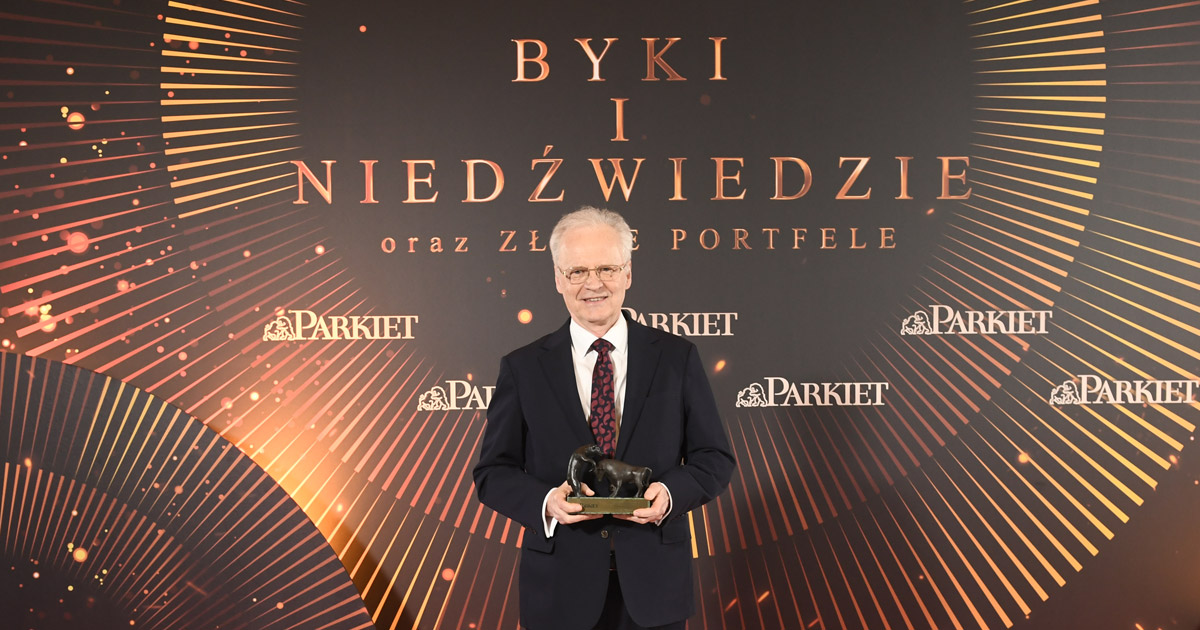
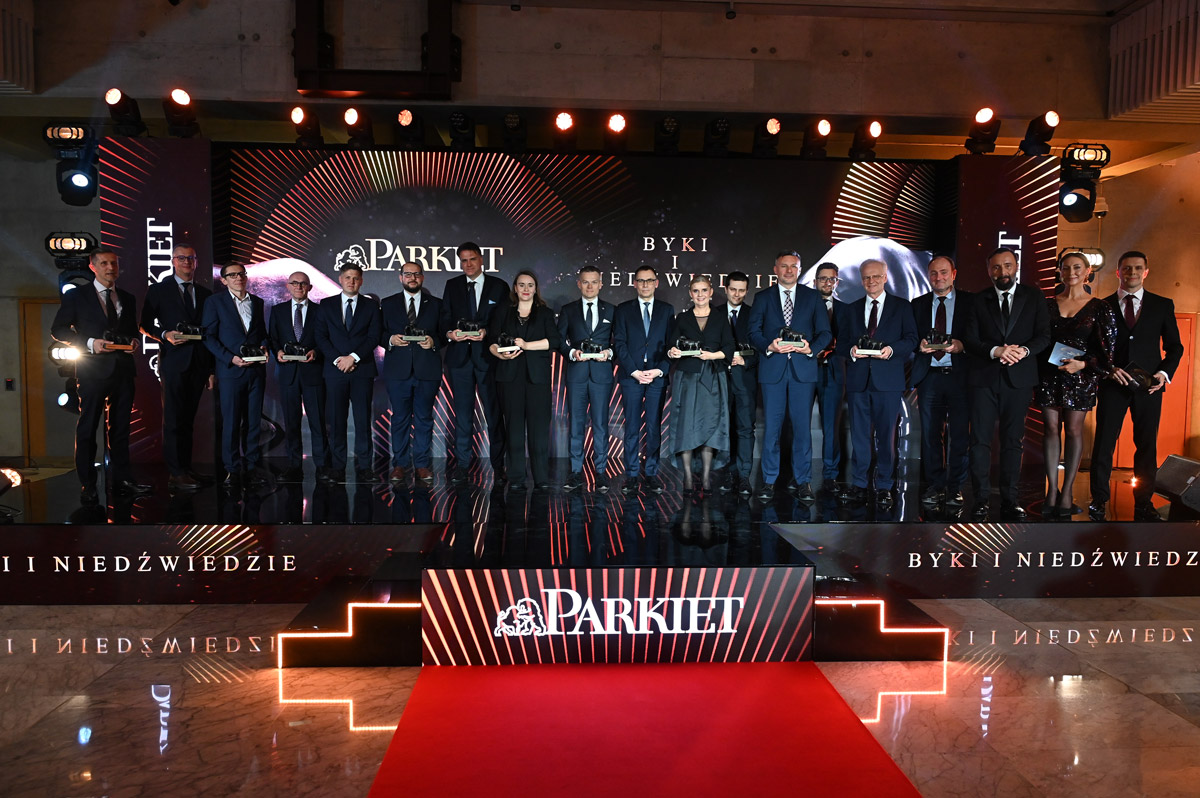
In this year’s edition of the “Bulls and Bears” awards, Asseco Poland was recognised with the title of “Company of the Year” in the mWIG40 index category.
In this year’s edition of the “Bulls and Bears” awards, Asseco Poland was recognised with the title of “Company of the Year” in the mWIG40 index category. The prestigious award, granted by the editorial team of Parkiet – Gazeta Giełdy i Inwestorów, was received by Adam Góral, President of the Management Board.
As stated in the justification, Asseco was the leader in terms of return rate in the mWIG40 index in 2025, exceeding 140% when including its high dividend.
For over 30 years, the “Bulls and Bears” awards have been granted to companies, institutions, and managers who significantly shape the Polish capital market, set directions for its development, and contribute to building value for investors.
The official “Bulls and Bears and Golden Portfolios” awards ceremony took place on 19 March 2026 at the Warsaw Stock Exchange. On the same day, the Financial Market Forum was also held, providing a platform for discussions on the future development of the Polish capital market.
Growing order backlog and very good results of the Asseco Group for the three quarters of 2025
01.12.2025
2025
Press office
W trakcie trzech kwartałów 2025 roku Grupa Asseco wypracowała 12,3 mld zł przychodów ze sprzedaży, z czego ponad 9,3 mld zł stanowiła sprzedaż własnych produktów i usług informatycznych.
During the first three quarters of 2025, the Asseco Group generated PLN 12.3 billion (EUR 2.9 billion) in sales revenues, of which over PLN 9.3 billion (EUR 2.2 billion) came from the sale of its proprietary IT products and services. Operating profit was 16% higher than in the comparable period of 2024 and exceeded PLN 1.2 billion (EUR 286 million), while net profit attributable to shareholders of the parent company, after an increase of 23%, amounted to PLN 453 million (EUR 107 million). Focusing on its proprietary products and strong diversification, the Group strengthened its position in the areas of finance, public administration, and ERP.
During the reporting period, the Group expanded its operations both in Poland and abroad. Sales revenues in the Asseco Poland Segment increased by 14% and amounted to PLN 1.7 billion (EUR 401 million). The results of this segment were mainly influenced by Asseco's involvement in the development of the digital ecosystem of the state, numerous transformation projects in the energy and healthcare sectors, as well as a stable revenue stream in the area of finance.
The Group's results are highly diversified geographically – 86% of sales come from foreign markets represented by the Formula Systems Segment and Asseco International Segment. Sales in the Asseco International Segment amounted to PLN 3.3 billion (EUR 777 million), which represents a 12% increase compared to the corresponding period in 2024. This segment saw an increase in revenues from banking and payment solutions at Asseco South Eastern Europe, as well as growing interest in modern ERP solutions. Sales also increased at Asseco Central Europe in the Czech Republic and Slovakia, as well as at Asseco CE Cloud. The Formula Systems Segment recorded revenues of PLN 7.3 billion (EUR 1.7 billion), which is 11% more than in the same period last year*. The result was driven, among other things, by record revenues of Matrix IT and growing sales at Magic Software and the Michpal Group.
We have had three successful quarters in Asseco's operations. Our strong position in strategic sectors of the economy, along with our focus on a strategy built around proprietary software, allows us to effectively grow our business and deliver consistent increases in financial performance. Our revenues, operating profit, and net profit attributable to Asseco Poland shareholders grew at a double-digit rate both cumulatively and in Q3, 2025 alone. We are systematically building our backlog, which allows us to look to the future with optimism. In addition, we are constantly expanding the scale of our business, supporting organic growth with M&A activities,” said Karolina Rzońca-Bajorek, Vice-President of the Management Board, CFO of Asseco Poland.
Asseco's consolidated order backlog for 2025, in the area of proprietary software and services, is currently valued at PLN 12.3 billion (EUR 2.9 billion), which is 12% higher than in the same period last year. All operating segments are growing at double-digit rates: Asseco Poland – by 14%, Asseco International – by 12%, and Formula Systems – by 11%.
In connection with the conditional agreement signed on August 13, 2025, for the sale of a majority stake in Sapiens International by Formula Systems (1985) Ltd to the Advent fund, the operations of the Sapiens Group have been classified as discontinued operations. Detailed information is presented in section 2.11 of the additional explanations to the interim consolidated financial statements of the Asseco Group for the 9-month period ended September 30, 2025.
Prestigious distinctions and industry awards that confirm our position in the world of technology.
Asseco wyróżnione w raporcie „Index500” przygotowanym przez „Home&Market”
22.07.2026
Asseco kolejny rok z rzędu znalazło się w zestawieniu „Index 500” przygotowanym przez redakcję magazynu „Home&Market”. Ranking prezentuje przedsiębiorstwa, które wyznaczają standardy odpowiedzialnego i nowoczesnego biznesu, łącząc rozwój z innowacyjnością oraz zrównoważonym podejściem do prowadzenia
Asseco Pola.ai wśród najlepszych produktów dla korporacji według „Gazety Finansowej”
22.07.2026
Rozwiązanie Asseco Pola.ai zostało wyróżnione w zestawieniu „Najlepsze produkty dla korporacji 2026”, przygotowanym przez „Gazetę Finansową”. Ranking prezentuje rozwiązania wspierające największe przedsiębiorstwa w zwiększaniu efektywności operacyjnej i przyspieszaniu transformacji cyfrowej.
Asseco najwyżej notowaną firmą IT w rankingu „1000 największych firm w Polsce” przygotowanym przez „Gazetę Finansową”
22.07.2026
Asseco jest jedną z 30 największychfirm w Polsce według rankingu opracowanego przez redakcję „Gazety Finansowej”. Spółka,która w 2025 r. osiągnęła przychody w wysokości 16,8 młd zł, jest również najwyżejsklasyfikowaną firmą z branży IT w zestawieniu.
Asseco recognized as Poland's Digitalization Leader in the "ITwiz Best100" Ranking
26.06.2026
Asseco has been recognized as the "Digitalization Leader in Poland" in the ITwiz Best100 ranking. The company received the distinction for generating the highest revenue among IT companies operating in the Polish market.
Asseco recognized as a Polish Ambassador by "Wprost" magazine
02.06.2026
Asseco ranked second in the “Polish Ambassadors” ranking published by the weekly magazine Wprost. The ranking recognizes companies that promote the Polish economy on international markets through the development of foreign sales and exports, while building the global position of their brands.
Asseco the leader of the IT industry in the “List of 500” ranking of the daily newspaper Rzeczpospolita
29.05.2026
Asseco has once again confirmed the top position among IT companies in the “Top 500” ranking prepared by the daily newspaper Rzeczpospolita. The company is also the largest employer in the sector.
Asseco was recognized in the “Export and International Expansion” category of the Rzeczpospolita Eagles competition. The awards were presented during the Rzeczpospolita Economic Forum and honor the largest and most dynamically growing companies operating in Poland and abroad.
Asseco honored at the National Association of Cooperative Banks’ 35th anniversary gala
28.05.2026
Asseco received a Supporting Member Award from the National Association of Cooperative Banks during the organization's gala celebrating its 35th anniversary.
Asseco ranked as the highest-rated Polish IT company in the “Europe’s Best Employers 2026” ranking
27.05.2026
Assecohas been recognized as the highest-ranked Polish IT company in the “Europe’sBest Employers 2026” ranking, prepared by the Financial Times incooperation with the research company Statista.
This website uses cookies and other tracking technologies to assist with navigation and feedback, analyze the use of our products and services, support our promotional and marketing efforts, and provide content from third parties. View more cookie settings to manage your preferences.